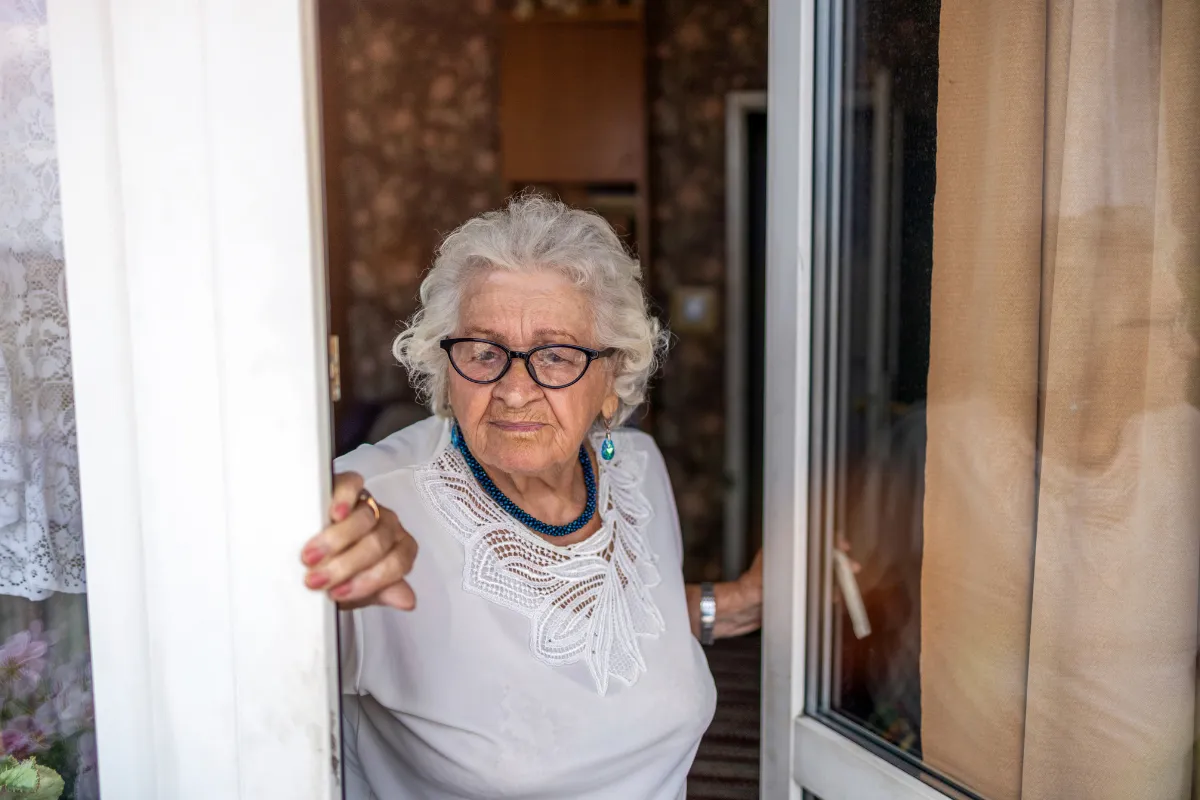
How a Reverse Mortgage Helped a Senior Stay in Her Home Instead of Selling
Sometimes a Reverse Mortgage Really Is an Emergency Solution
When people hear the words "reverse mortgage," they often assume the homeowner must be in financial trouble.
In reality, many of the reverse mortgages I help arrange are part of a proactive retirement strategy. Some homeowners use them to purchase a new home. Others establish a line of credit as a backup plan. Some use them to preserve investment assets or help family members.
But sometimes the situation really is an emergency.
I remember receiving a call from a lender friend of mine who doesn't originate reverse mortgages. He told me about his aunt and asked if I would speak with her.
He explained that years earlier he had suggested she look into a reverse mortgage. At the time, she wanted nothing to do with it.
Like many seniors, she had heard negative stories and was worried about losing her home. She was also determined to leave the house to her adult son someday. Because of those concerns, she decided not to explore the option further.
Fast forward five to seven years. Her financial situation had changed dramatically.
She was living on a fixed income. The house needed repairs. Bills were becoming difficult to manage. A real estate agent had told her that selling the property was probably her only realistic option.
The problem was that she didn't want to sell.
She had lived in that home for more than 30 years. It was where she felt comfortable. It was where she wanted to remain.
When I arrived at the property for our first meeting, I was honestly shocked. Sitting in the middle of the living room was a five-gallon bucket collecting rainwater from a hole in the roof.
I could literally see daylight through the ceiling.
The home had other issues as well. The exterior paint was failing. There was visible termite-related damage in several areas. Years of deferred maintenance had begun to catch up with the property.
If she sold the house in that condition, there was a good chance she would receive far less than market value from an investor looking for a distressed property. After that, she would likely have needed to move into some type of assisted living arrangement or other housing situation she didn't want.
Just as importantly, selling the home would eliminate any possibility of eventually leaving the property to her son.
She didn't want to leave the home. She wanted to save it.
The challenge was that reverse mortgages require the property to meet certain condition standards. One of those standards is having a sound roof.
In other words, she needed the reverse mortgage to pay for the roof, but she couldn't get the reverse mortgage until the roof was repaired.
It was a classic cart-before-the-horse situation.
After some searching, we found a roofer willing to work with her. They agreed to install a new roof with a payment arrangement that delayed the first payment long enough for us to complete the reverse mortgage process.
For the first time in years, she didn't have to worry every time it rained.
Once the reverse mortgage closed, she had access to funds that allowed her to address additional maintenance issues around the property. The house was painted. Repairs were made. The home became safe, sound, and secure again.
That was several years ago. I still hear from her occasionally. Every time we speak, she tells me essentially the same thing.
"I don't know why I was so afraid of a reverse mortgage. It's the best thing I've ever done."
What she values most is not the money.
It's the peace of mind.
She gets to remain in the home she loves. She doesn't have to worry about making a monthly mortgage payment. Her home is no longer deteriorating around her. Most importantly, she can continue aging in place on her own terms.
This story is also a reminder of something I frequently tell homeowners.
The best time to explore a reverse mortgage is often before it becomes an emergency.
When homeowners wait until they are completely out of options, there may be fewer solutions available. Had this homeowner explored the loan years earlier, she likely could have established a safety net before the roof reached the point of failure.
Fortunately, everything worked out.
Sometimes a reverse mortgage is a planning tool. Sometimes it is a legacy tool. And sometimes it provides a lifeline that allows a senior homeowner to remain safely in the home they have spent a lifetime building.


